Order Before 14:00 = Shipped Today *

Your Cart
Your cart is empty
Continue Shopping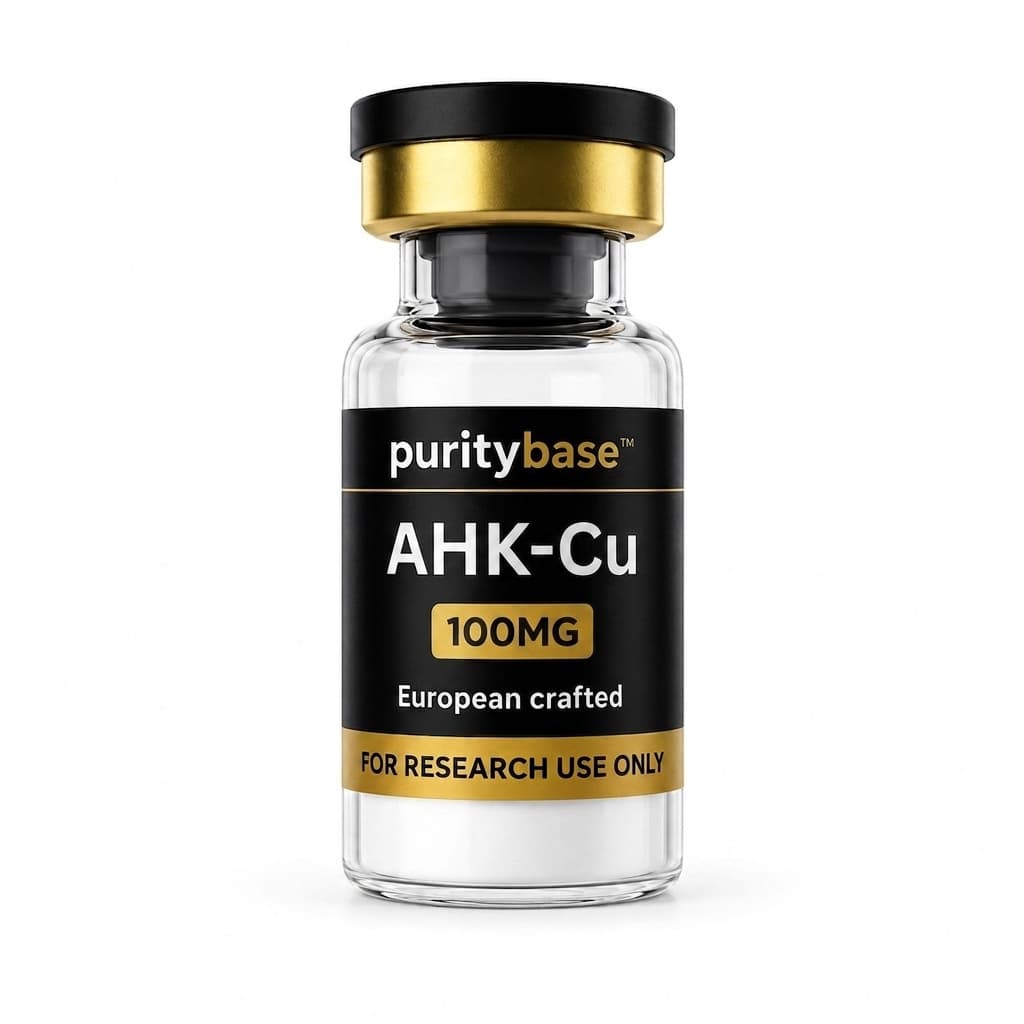
AHK-Cu (Copper Tripeptide-3) is a copper-binding research peptide supplied by Purity Base as a high-purity lyophilised powder. Produced under strict laboratory standards, it is verified at ≥98% purity by HPLC and offered in a 100 mg presentation — delivering the consistency and traceability that precision research demands.
AHK-Cu has been studied in preclinical models relevant to skin and connective tissue biology. In laboratory settings, the compound has been investigated for its involvement in cellular signalling pathways associated with collagen synthesis, extracellular matrix remodelling, and angiogenesis. It has additionally been referenced in research examining hair follicle activity and hair growth biology, as well as models focused on wound healing and tissue repair. Its copper-chelating properties position it as a relevant tool compound within the broader field of copper peptide research.
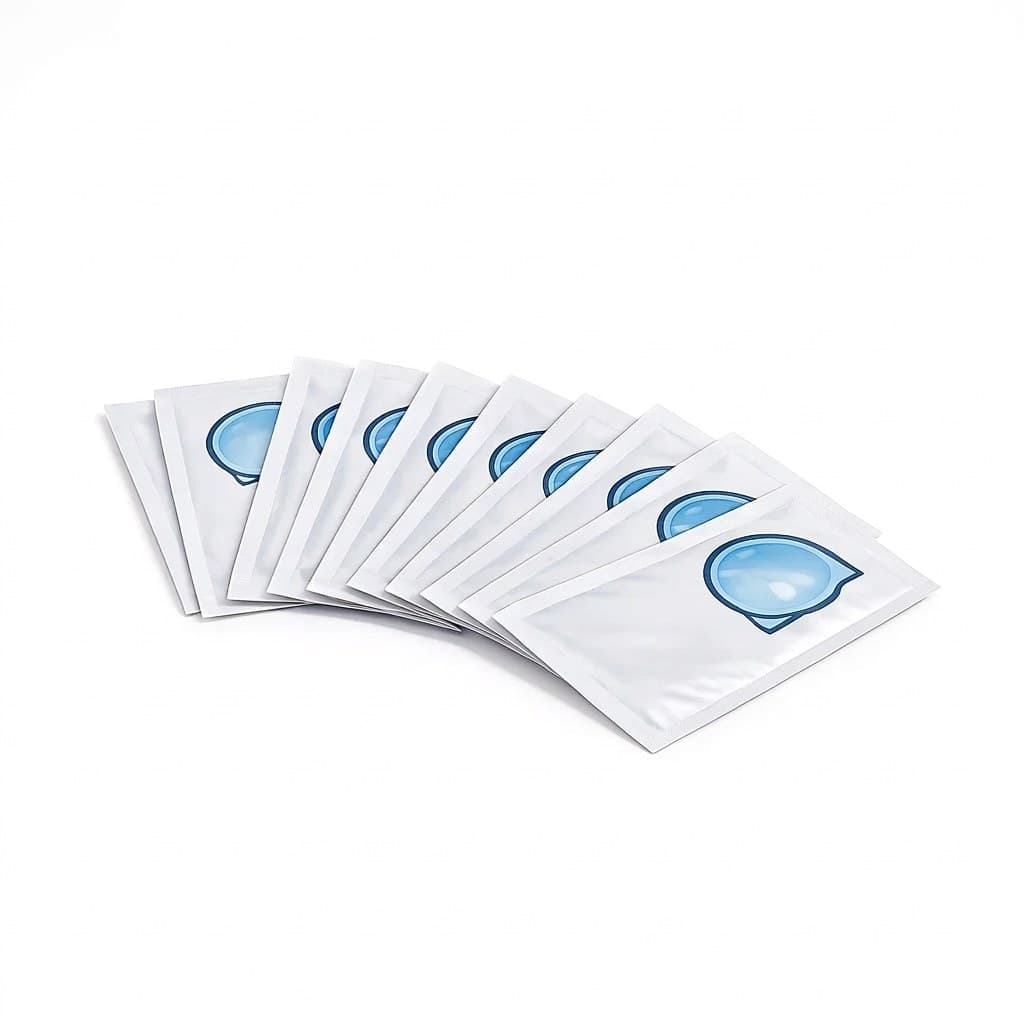
AHK-Cu is supplied as a lyophilised powder and should be reconstituted with an appropriate volume of bacteriostatic water (BAC water) prior to use. To dissolve the peptide, allow the BAC water to run gently down the inside of the vial and swirl slowly — do not shake, as this may degrade the compound. All handling should be conducted under aseptic conditions using appropriate laboratory technique.
The lyophilised product should be stored refrigerated and protected from light and moisture. For longer-term preservation, storage at −20 °C is advisable. Once reconstituted, the solution should be kept refrigerated and consumed within a short, defined window consistent with standard peptide handling practice. Avoid repeated freeze-thaw cycles.
| Concentration (mg) | 100mg |
| Bacteriostatic Water | 10ml, 3ml (included as standard), None |
Our products have been tested by an independent laboratory. The corresponding test reports including test codes are publicly accessible.
View lab results