Order Before 14:00 = Shipped Today *

Your Cart
Your cart is empty
Continue Shopping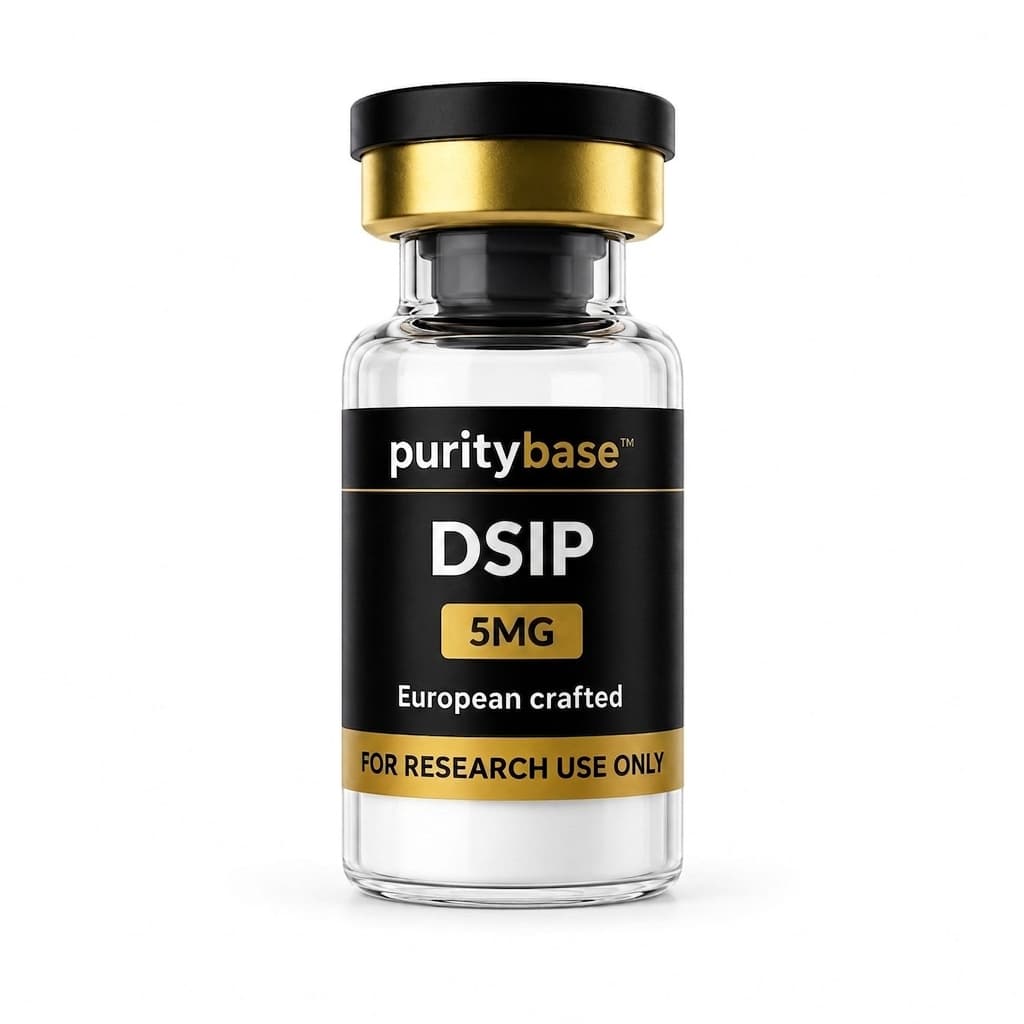
DSIP (Delta Sleep-Inducing Peptide) is an endogenous neuropeptide originally isolated from brain tissue, supplied here as a lyophilized powder of verified research grade. Produced under strict laboratory conditions and verified by High-Performance Liquid Chromatography (HPLC), each vial meets a confirmed purity of ≥99%, making it a reliable reference compound for biochemical and neurophysiological research.
DSIP has been studied extensively in the context of sleep modulation and circadian rhythm regulation, where it is investigated as a mediator of homeostatic sleep processes. The peptide has also been referenced in the literature for its involvement in neuroendocrine signalling, including interactions with stress-response pathways and hypothalamic activity. In in vitro models, DSIP has been explored as a tool for examining neuropeptide function, neuronal signalling dynamics, and peptide-receptor interactions within homeostatic regulatory frameworks. Its molecular formula is C₃₅H₄₈N₁₀O₁₅, with a molecular weight of approximately 850.82 Da.
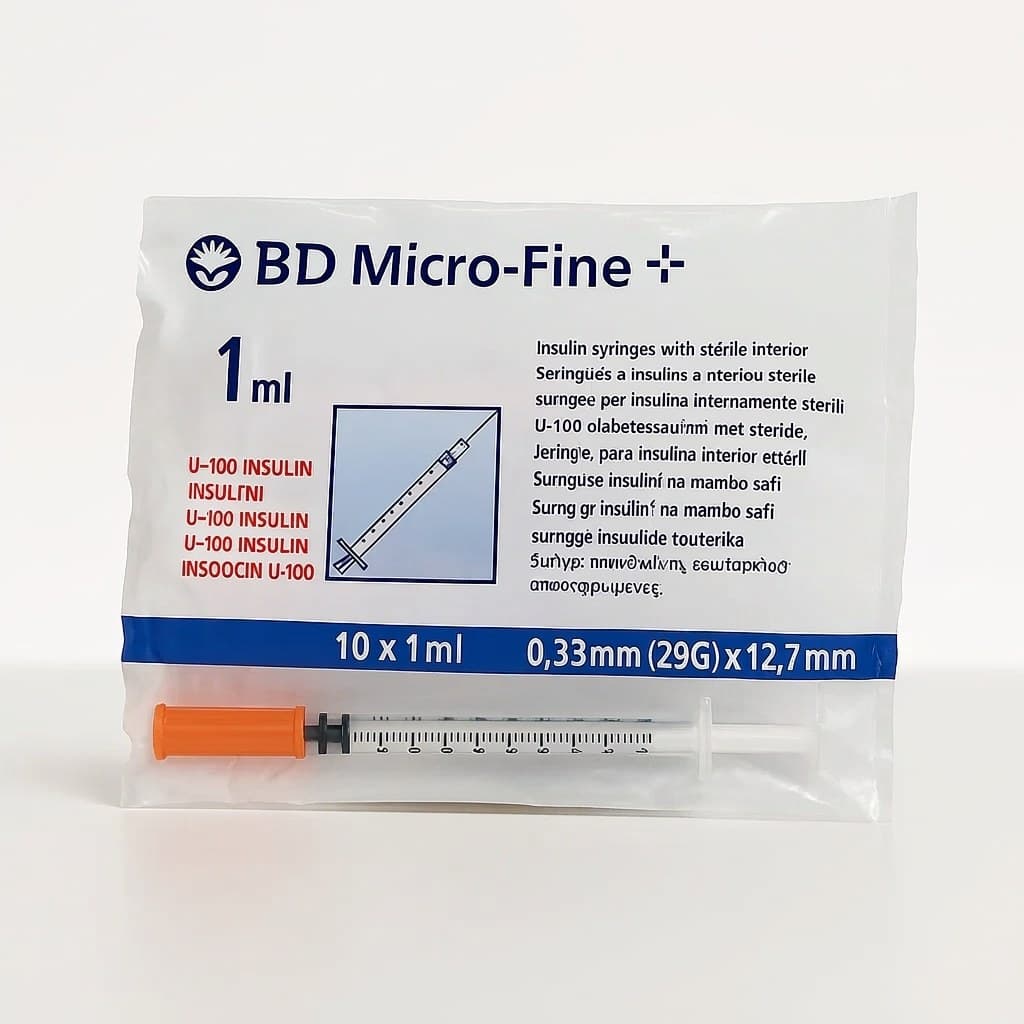
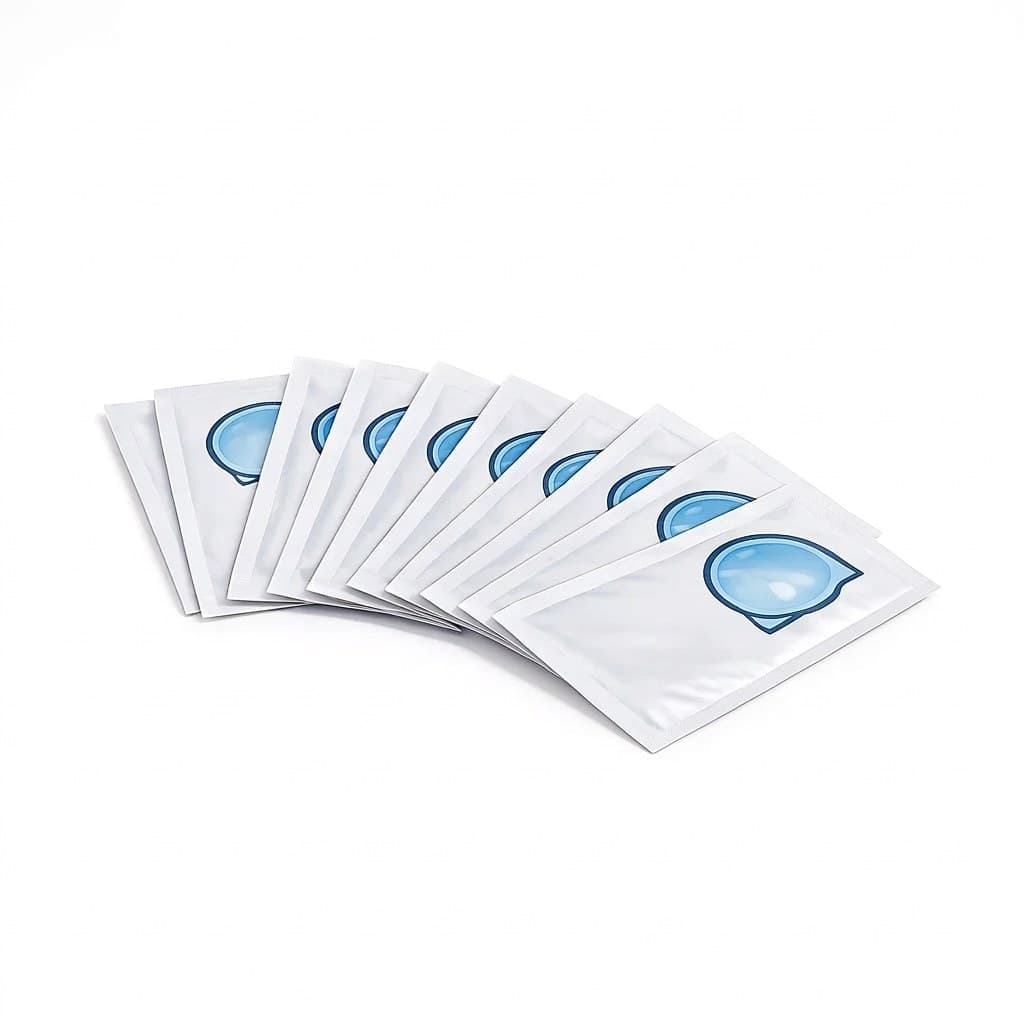
DSIP is supplied as a lyophilised powder and should be reconstituted with an appropriate volume of bacteriostatic water (BAC water) prior to use. To reconstitute, introduce the BAC water gently along the inner wall of the vial and swirl slowly until the powder is fully dissolved — do not shake, as this may cause peptide degradation. Once reconstituted, handle the solution with care and keep it cold at all times.
The lyophilised product should be stored in a cool, dry environment — preferably refrigerated or frozen — and protected from light and moisture. Reconstituted solution should be kept refrigerated and used within a short timeframe to preserve integrity and activity of the peptide.
| Concentration (mg) | 5mg, 10mg |
| Bacteriostatic Water | 10ml, 3ml (included by default), None |
Our products have been tested by an independent laboratory. The corresponding test reports including test codes are publicly accessible.
View lab results