Order Before 14:00 = Shipped Today *

Your Cart
Your cart is empty
Continue Shopping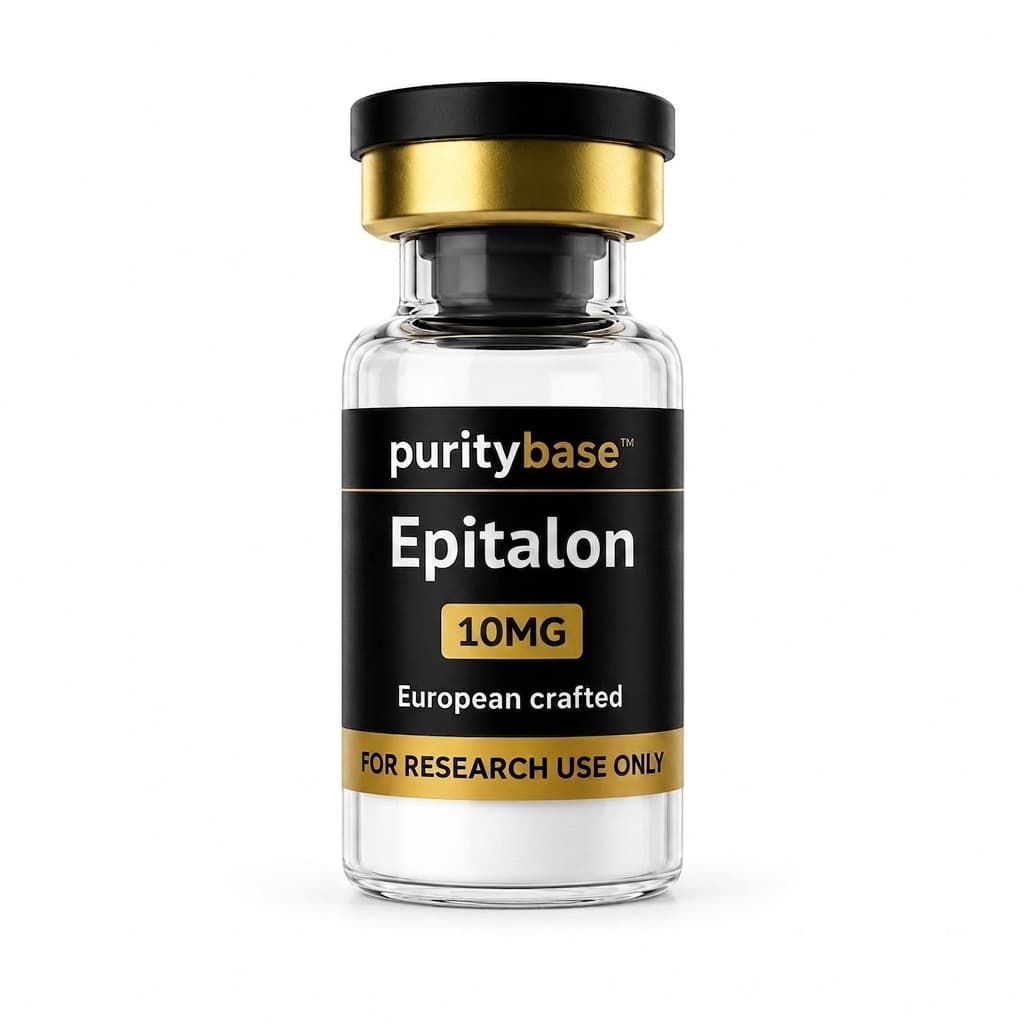
Epitalon (also referred to as Epithalon or Epithalamin) is a synthetic tetrapeptide composed of alanine, glutamine, asparagine, and glycine, supplied as a lyophilized powder. Verified by High-Performance Liquid Chromatography (HPLC) to a purity of ≥99%, it is produced to the exacting standards expected of a premium biochemical reference compound. Its molecular formula is C14H22N4O9, with a molecular weight of approximately 390.35 Da.
Epitalon has been investigated in laboratory settings for its involvement in cellular aging pathways, with particular attention to its reported influence on telomerase activity. It has been referenced in the literature in the context of DNA integrity and protection, oxidative stress modulation, and cell cycle regulation. In-vitro studies have drawn on Epitalon as a tool compound in research areas including epigenetic stability, regenerative biology, and longevity-associated molecular mechanisms. All findings pertain to preclinical and in-vitro research contexts.
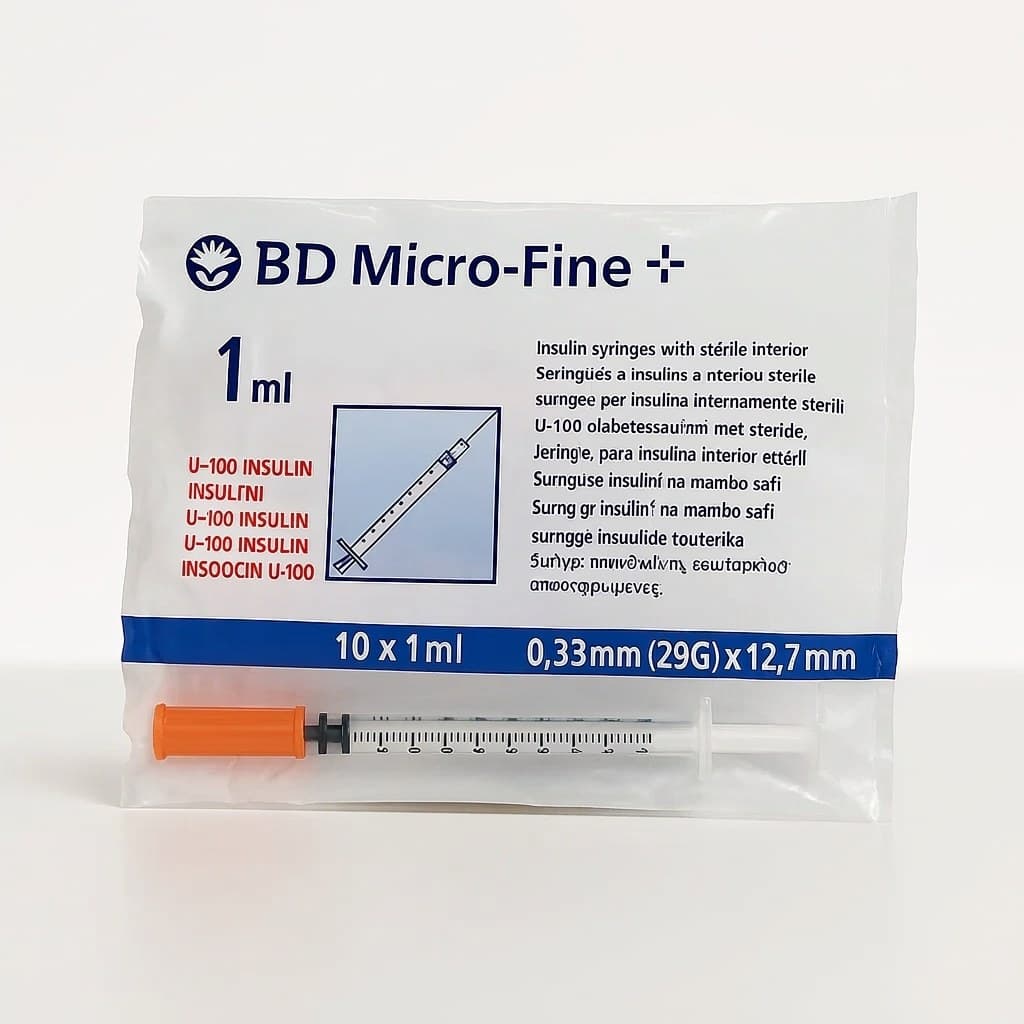
Epitalon is supplied as a lyophilised powder and should be reconstituted with an appropriate volume of bacteriostatic water (BAC water) prior to use. Add the BAC water slowly and swirl the vial gently until the powder is fully dissolved — do not shake, as this may degrade the peptide. Handle under clean laboratory conditions and avoid repeated freeze-thaw cycles once reconstituted.
The lyophilised powder should be stored refrigerated and protected from light and moisture. For longer-term storage, freezing is advisable. Once reconstituted, the solution should be kept refrigerated and used within a short timeframe to preserve integrity. Avoid prolonged exposure to ambient temperature.
| Concentration (mg) | 10mg |
| Bacteriostatic Water | 10ml, 3ml (included by default), None |
Our products have been tested by an independent laboratory. The corresponding test reports including test codes are publicly accessible.
View lab results