Order Before 14:00 = Shipped Today *

Your Cart
Your cart is empty
Continue Shopping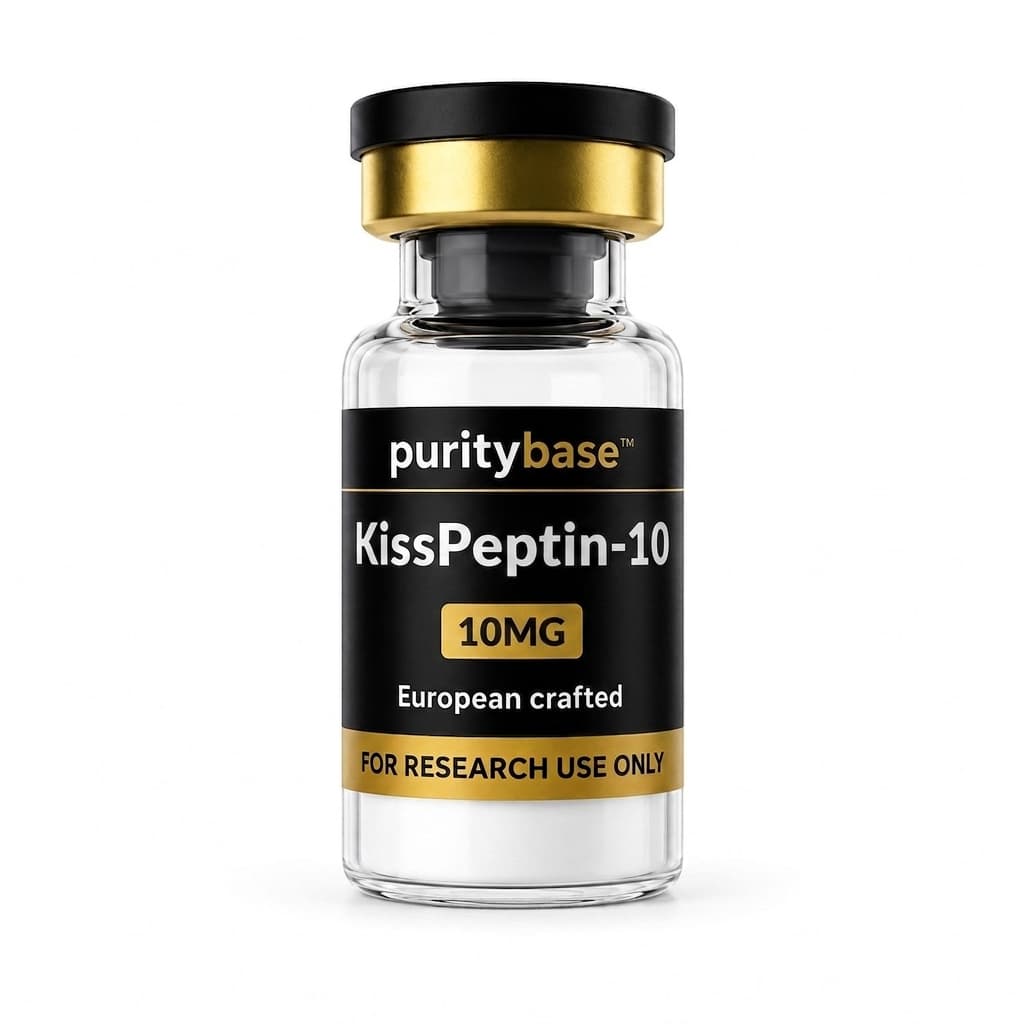
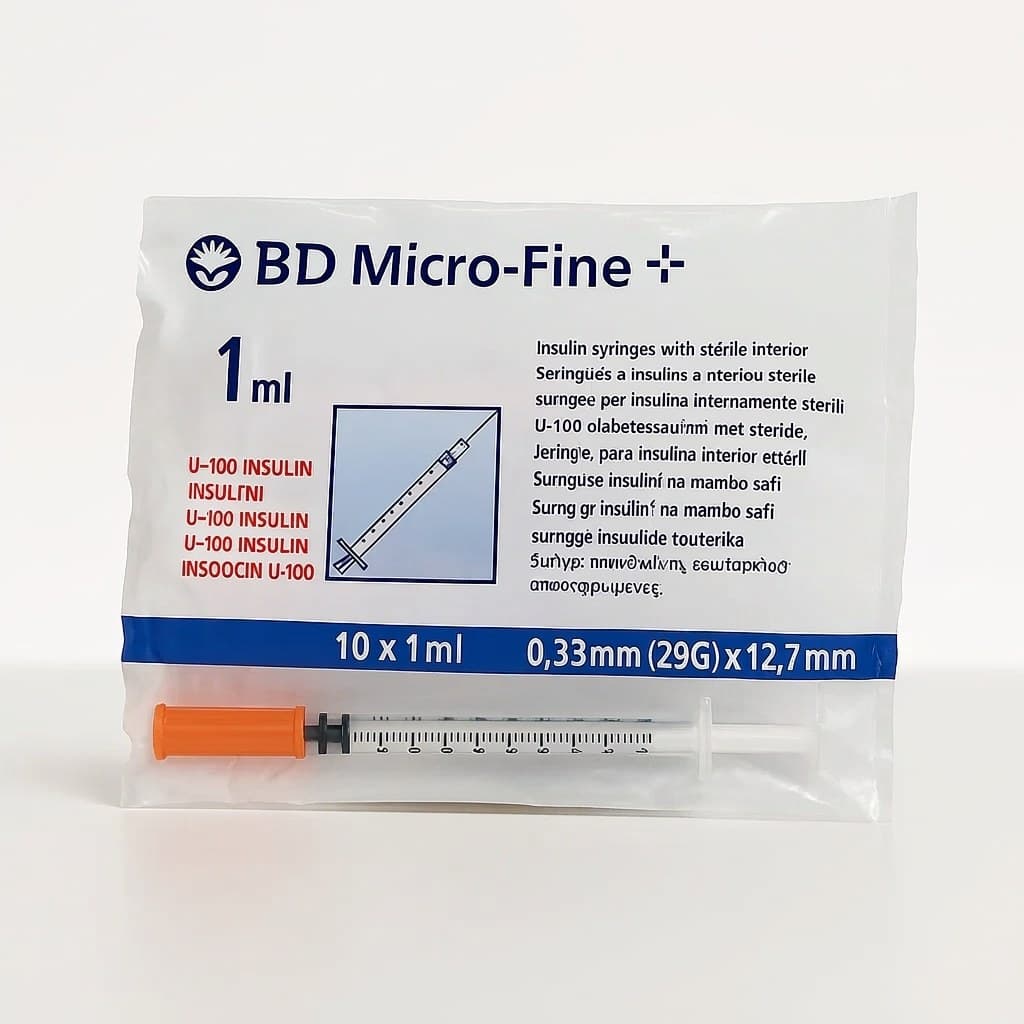
Kisspeptin-10 is a synthetic decapeptide derived from the endogenous peptide hormone Kisspeptin-54, which is encoded by the KISS1 gene. Supplied as a lyophilized powder with a verified purity of ≥99% by HPLC, it is manufactured under strict laboratory-grade conditions and intended for use as a biochemical reference compound in endocrinological and reproductive research.
Kisspeptin-10 has been extensively studied in the context of hypothalamic-pituitary-gonadal (HPG) axis regulation. As a ten-amino-acid fragment of Kisspeptin-54, it has been investigated as a targeted tool for examining gonadotropin-releasing hormone (GnRH) signalling and downstream hormonal feedback mechanisms. The compound has been referenced in the literature exploring reproductive endocrinology, fertility pathway modelling, and short-chain kisspeptin biology. Its well-defined molecular structure — molecular formula C₆₅H₈₁N₁₇O₂₀, molecular weight approximately 1,302.44 Da — makes it a precise and reproducible reagent for in vitro biochemical studies.
Kisspeptin-10 is supplied as a lyophilized powder and should be reconstituted with bacteriostatic water (BAC water) prior to use. Add an appropriate volume of BAC water directly to the vial, then gently swirl — do not shake — until the powder is fully dissolved. Avoid vigorous agitation, which may degrade peptide integrity. Handle reconstituted solution with care and use aseptic technique throughout.
The lyophilized product should be stored refrigerated and protected from light and moisture. Once reconstituted, the solution should be kept refrigerated and used within a short period to maintain compound integrity. Repeated freeze-thaw cycles of the reconstituted solution should be avoided.
| Concentration (mg) | 10mg |
| Bacteriostatic Water | 3ml (included by default), 10ml, None |
Our products have been tested by an independent laboratory. The corresponding test reports including test codes are publicly accessible.
View lab results