Order Before 14:00 = Shipped Today *

Your Cart
Your cart is empty
Continue Shopping
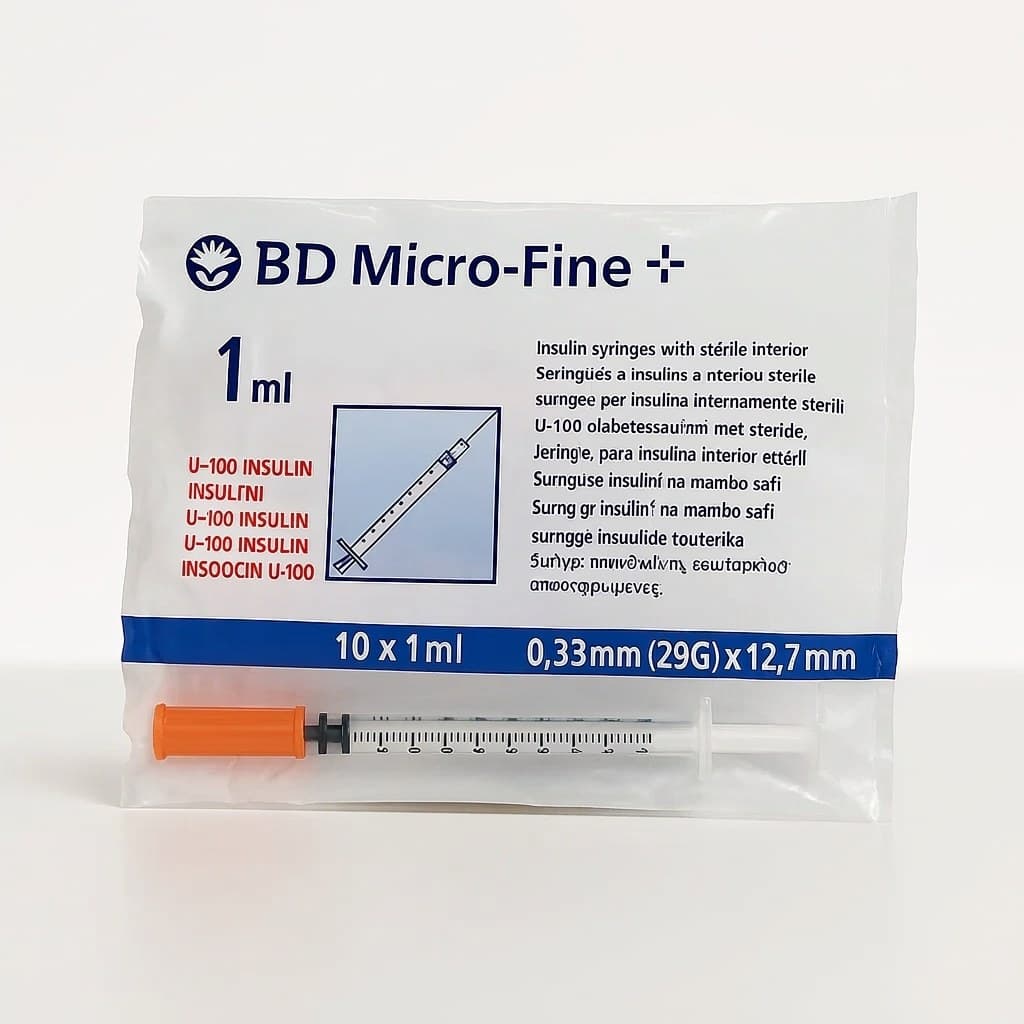

TB-500 is a synthetic peptide fragment of Thymosin Beta-4, supplied as a lyophilized powder and verified by High-Performance Liquid Chromatography (HPLC) to a purity of ≥99%. With a molecular formula of C₂₁₂H₃₅₀N₅₆O₇₈S and a molecular weight of approximately 4,963 Da, it is a well-characterised reference compound for use across biochemical and regenerative biology research programmes.
TB-500 has been studied extensively in the context of its structural relationship to naturally occurring Thymosin Beta-4, a peptide recognised for its involvement in cell migration, cytoskeletal organisation, and vascular development. In in vitro and preclinical settings, TB-500 has been investigated as a tool for examining mechanisms underlying wound healing, angiogenesis, and inflammatory modulation. It has also been referenced in studies exploring tissue regeneration and cellular repair pathways, and is commonly employed alongside BPC-157 in comparative regenerative biology research.
TB-500 is supplied as a lyophilized powder and should be reconstituted with an appropriate volume of bacteriostatic water (BAC water) prior to use. Add the BAC water slowly to the vial, then gently swirl — do not shake — until the powder is fully dissolved. Once reconstituted, handle the solution with care and keep it cold at all times. Avoid repeated freeze-thaw cycles, which may degrade peptide integrity.
The lyophilized product should be stored refrigerated and protected from light and moisture. In its dry, powder form, TB-500 maintains stability over an extended period when handled correctly. After reconstitution, the solution should be kept refrigerated and used within a short timeframe to ensure experimental reliability.
| Concentration (mg) | 10mg |
| Bacteriostatic Water | 10ml, 3ml (included by default), None |
Our products have been tested by an independent laboratory. The corresponding test reports including test codes are publicly accessible.
View lab results